
Scene: A midweek appointment book and a client asks for an elegant logo-accent mani using a black-and-gold sheet labeled WG6070. You set up your station, lay out a sheer pink base, and think: before we stick anything reflective, run a quick patch check. This is a normal salon moment where safety meets speed.
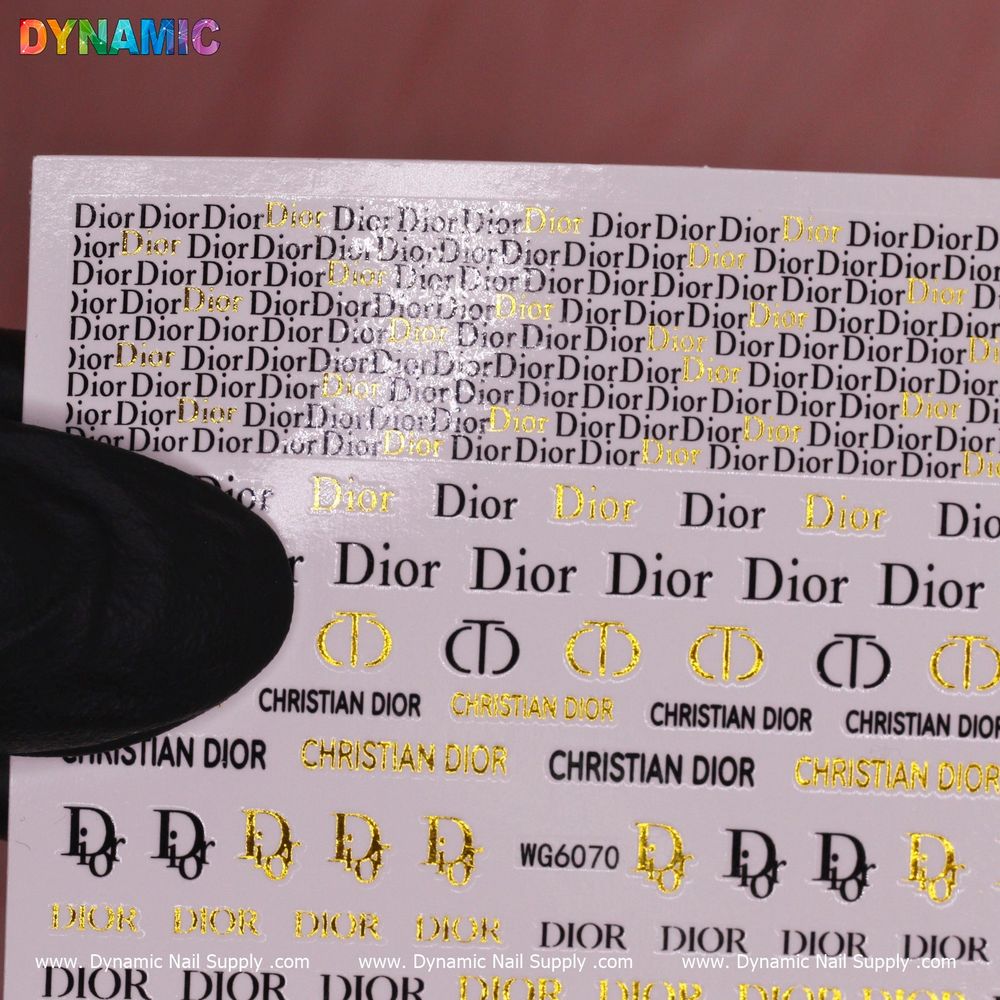
Prep Station: Ready The Canvas
You start by cleaning one small area of skin and one nail for a controlled check. Gather a trimmed piece of the Luxury Style Water Decal WG6070, a cotton swab, a small bowl of water, a disposable dish, and two clean labels or a note card to record time and observations. Keep single-use tools at hand so you don’t cross-contaminate the sheet.
Patch: How To Place A Quick Test
Pick a discreet spot on the client: the inner wrist or the skin at the base of the thumb work well. You will also test a tiny decal on the edge of a nail plate if the client wants full-nail placement. Hydrate a tiny piece of the WG6070 sheet for the skin test by dipping a swab in room-temperature water and pressing the decal onto the skin until it slides off the backing. For the nail-edge test, place a small logo on a natural nail tip or on a prepared fake tip attached with removable tack. Use minimal handling to avoid creasing the metallic foil.
Observe: Timing And Immediate Check
Start a visible clock as soon as the decal lands. Observe the skin and nail site at 5 and 15 minutes for any redness, raised bumps, itching, burning, or swelling. Note that metallic foil elements may feel slightly stiffer than ink-only decals; that is normal. If the client reports any tingling or discomfort, remove the decal immediately with water and report the reaction in your notes.
Documentation: Record What You See
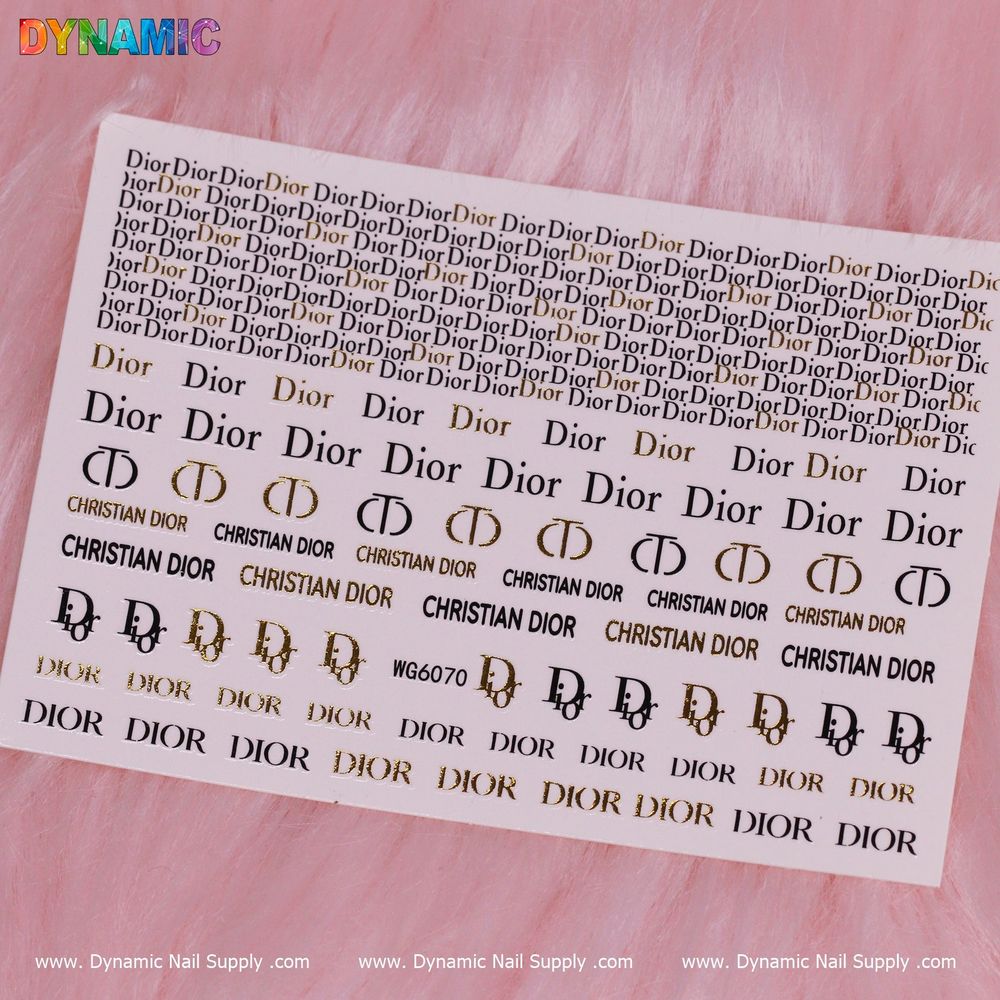
Use your salon’s quick-note card to write the client name, time, decal ID (WG6070), placement (skin or nail), and signs observed at each check-in time. That record is crucial if a delayed reaction appears after the client leaves. Include whether the decal used metallic foil or printed black ink; WG6070 contains both, and reactions can differ between foil and ink elements.
Interpretation: What Reactions Mean
Light redness without discomfort at 15 minutes usually suggests irritation from adhesive pressure or tape, not an allergy. It is OK to proceed with caution if redness subsides. Any swelling, persistent itch, blistering, or spreading redness are signs to stop and refuse the full application. If the irritation follows the foil motif specifically, plan a variant look without metallic foil or use only the solid black ink motifs from the sheet.
Alternative Look: When You Need To Alter Design
If the foil area causes a reaction, switch to designs that use only the flat black prints from WG6070. Use the gold motifs as accent pieces placed on a separate finger only if that finger’s test was negative. For sensitive clients, favor small, isolated black logos on a sheer pink base or choose all-gold tip accents only after a successful foil test on skin.
Midday Note: Quick Lead-In For The Exact Sheet:
Luxury Style Water Decal WG6070
Aftercare Instruction: What To Tell The Client
Tell the client to keep the tested area dry for an hour and to watch for delayed signs for 24–48 hours. If any reaction develops later, instruct them to remove decals with warm water and mild soap and to contact the salon. Record any follow-up calls and update the client file so future services avoid the problematic element.
Refusal: When To Say No
Refuse the full application if the client has a history of metal or adhesive allergies or if the patch produced swelling, hives, or blistering. Offer a non-metallic alternative and explain briefly that the decision protects their comfort and your license. You can still do a manicure using non-metallic nail art stickers or leave the WG6070 gold elements out entirely.
Salon Flow: Integrating This Into A Busy Day
Make the patch test a three-step micro-protocol: 1) apply, 2) observe for 15 minutes, 3) document. Slot that 15-minute window during basecoat work on other nails or while curing. Use a visible timer and a labeled card on the station that travels with the client. Train assistants to perform the initial placement and the first 5-minute check so you can manage more than one client safely.
Safety Notes: Handling Metallic Foil Decals
Handle WG6070 pieces with clean tweezers and avoid touching the foil surface with fingers to prevent oils transferring. Dispose of used backing and water in single-use containers. If a skin reaction occurs, stop treatment and remove decals with water—do not use solvents on irritated skin. These steps reduce contamination and help you interpret true allergic responses vs. contact irritation.
Mini Glossary
- Patch test: Small, controlled application to check for adverse skin reactions.
- Metallic foil: Shiny gold layer on some decals that may cause sensitivity in a few clients.
- Printed ink: Flat black print on the decal sheet; often less reactive than foil.
- Document: Record time, site, decal ID (WG6070), and signs observed.
End of day, you pack the remaining Luxury Style Water Decal WG6070 sheets back into their case, note any client sensitivities, and update the appointment file. The salon ran smoothly because you treated test steps as part of the look, not an interruption.
- Run a 15-minute test for foil and ink separately when possible.
- Document results with time, placement, and decal ID WG6070.
- Refuse service when swelling, blisters, or spreading redness occur.
