
Imagine a mid-morning rush: a client with thick, stubborn toenails settles into your station under warm light. You reach for a matte silver, straight‑jaw, ultra wide clipper — the one with a clean industrial look and a 16mm opening that makes the cut feel confident, not frantic.
Tool Profile: The Straight Ultra Wide Jaw
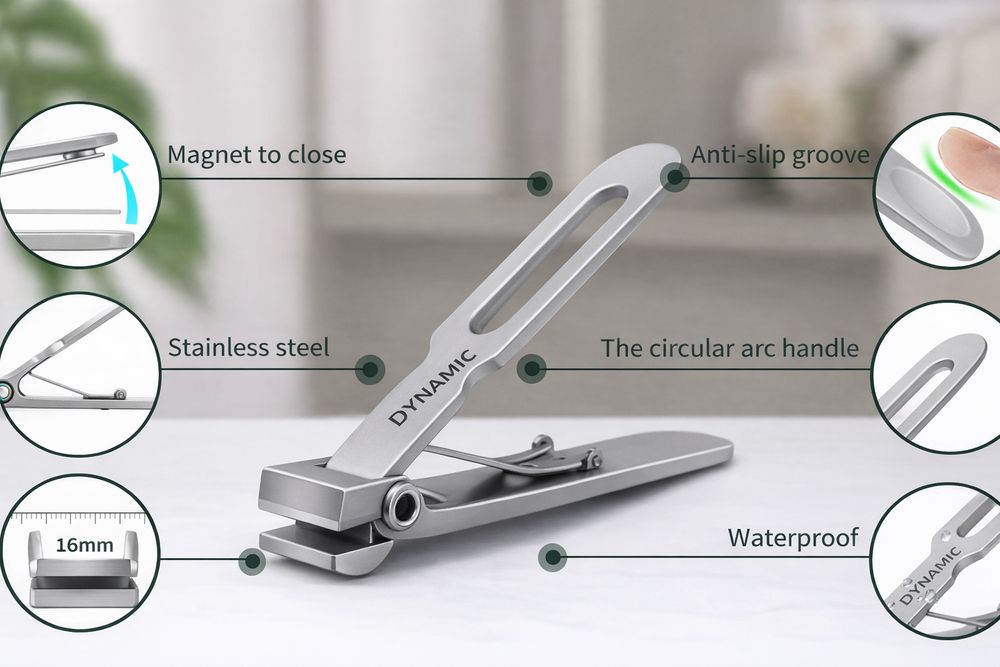
You work like a designer, seeing shape and form. The [STRAIGHT] ultra wide jaw clipper in pale shadow gray sits on your tray. Its straight cutting edge gives a flat, predictable trim line. The jaw opens wide for big nails and the handle’s anti-slip arc keeps the clipper steady in your hand. The finish is matte metallic — not bright chrome — which reads as professional and utilitarian at the station.
Station Flow: When You Reach for Straight
You start with a quick check of nail thickness and curvature. If the client’s nails are broad and thick, especially seniors or anyone with rigid nails, you choose the straight clipper. The straight geometry lets you align the cutting edge parallel to the nail tip. That makes a fast, even cut across the whole nail with minimal splitting.
In practice you place the jaw flat against the free edge, squeeze smoothly, and roll slightly if needed to follow the nail contour. The reinforced lever gives leverage without brute force, so you avoid sudden slips. The magnetic closure keeps the clipper closed when you set it down between clients — a small detail that keeps your workspace tidy.
Cutting Geometry: Straight vs Slanted
Geometry determines control. A straight jaw cuts a flat line and helps when you need symmetric trimming across a wide nail bed. It’s reliable for trimming large toenails and for technicians who build precise, square or blunt finishes.
A slanted jaw (not featured here) approaches the nail at an angle, giving a pointed starting point and more access to side curves. Slanted cutters often make rounding the corners easier in a single motion. For nails with tight sidewalls or narrow beds, a slanted blade can feel natural.
Durability And Build: What To Expect
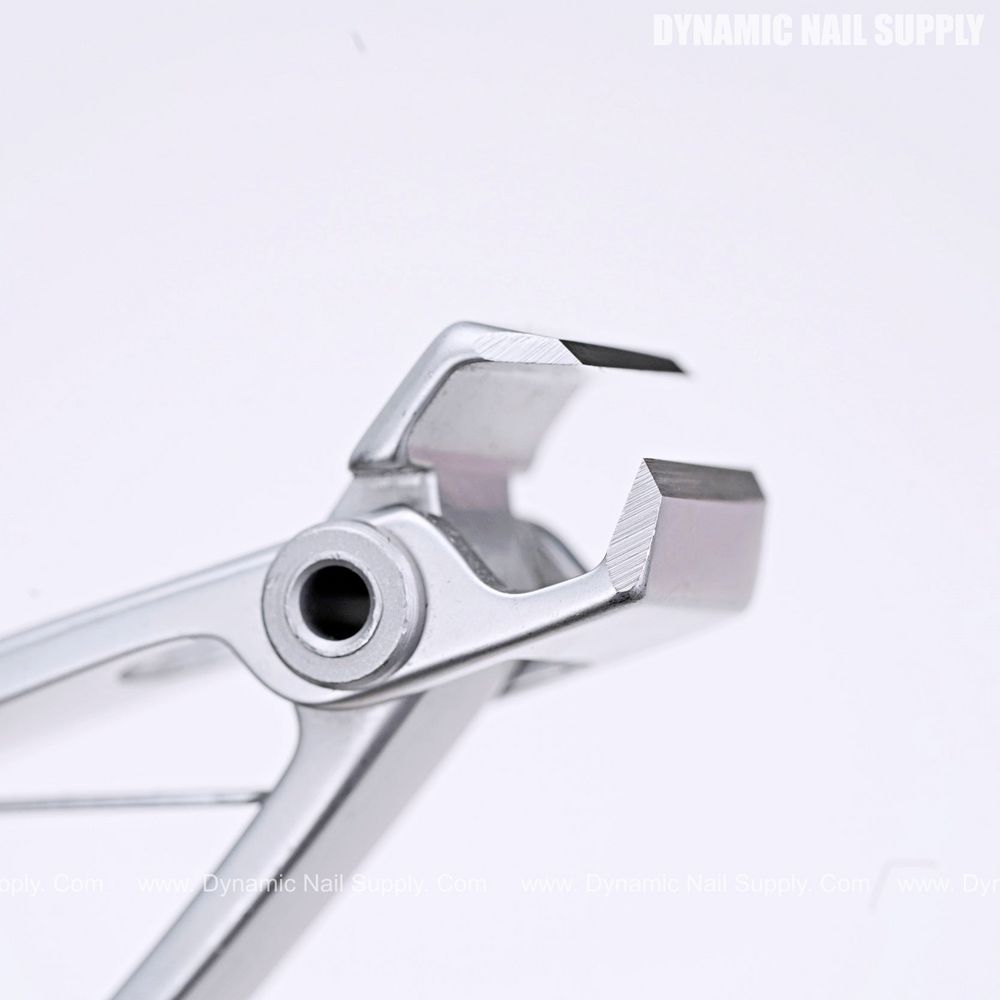
The straight clipper you keep at the station shows industrial cues: visible hinge hardware, beveled cutting edge, and a vacuum titanium–like plating that resists wear. The stainless steel core means it tolerates water and routine disinfection. The anti-slip grooves and elongated oval handle cutouts improve grip during long shifts.
Count on consistent performance from tools that emphasize mechanical advantage. Reinforced levers reduce hand strain during repeated trims. For salon owners, reliability minimizes tool rotation and replacement costs.
Client Types And Use Cases
- Seniors or clients with thick nails: Straight wide‑jaw clippers let you tackle dense nail tissue without multiple passes.
- Men with coarse nails: A straight edge produces even, masculine finishes and handles hard tips cleanly.
- Regular maintenance clients: Straight clippers are quick for standard trims and square profiles.
- Detail work and corner shaping: You may prefer a slanted style for fine corner shaping; keep one of each in the kit.
Hygiene And Handling
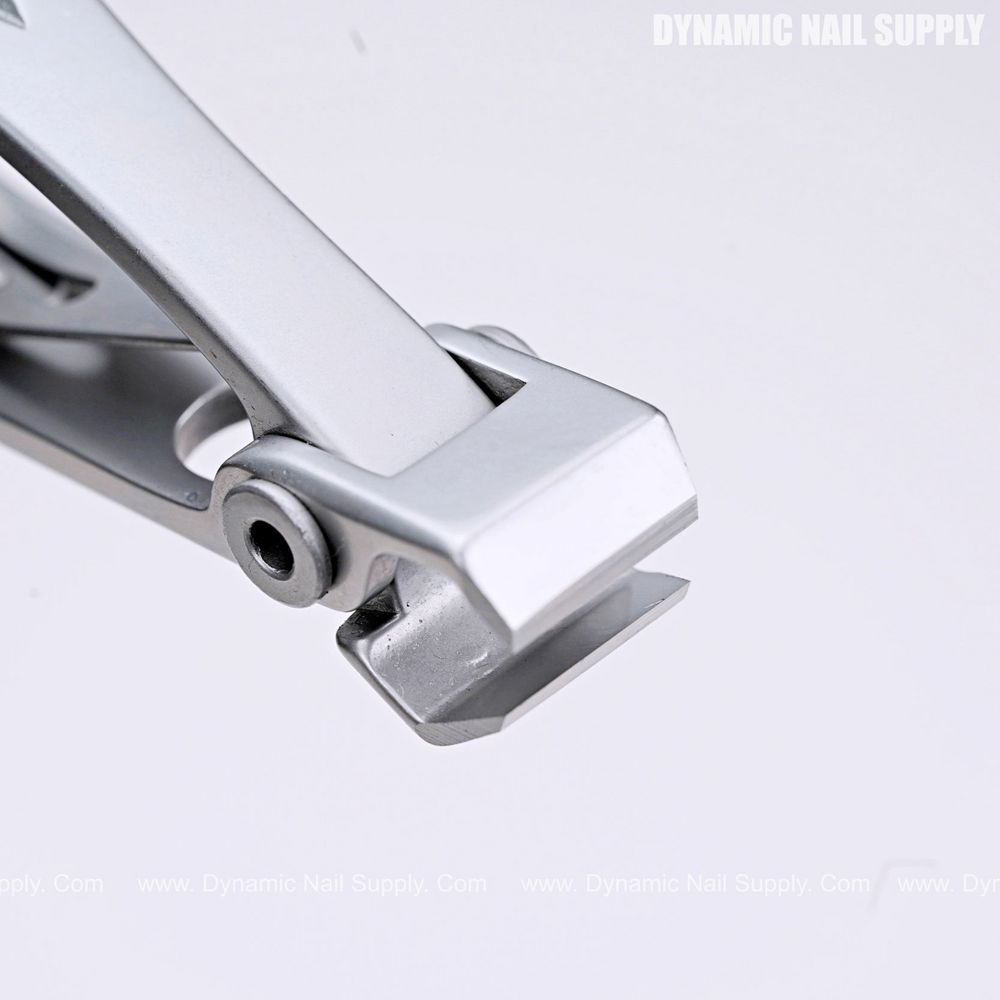
At the station you wipe the clipper with disinfectant between uses and store it closed to prevent contact with other instruments. The matte metallic finish hides minor wear and keeps the tool looking professional. Avoid dropping it; the hinge hardware is robust, but impacts can misalign the beveled edge.
As a practical rule, inspect the jaw alignment weekly. A small nick or misalignment shows up as an uneven cut. If trimming requires extra force, retire the tool for sharpening or replacement rather than pushing through — force increases risk of slipping.
Design Details That Matter
The [STRAIGHT] design emphasizes a wide 16mm opening and a straight blade line. Visually, the matte silver palette and smooth brushed look match minimal salons that favor neutral tools. The elongated handle cutouts give slender visual weight while improving finger placement. These are the little design choices that make the straight variant distinct from its slanted sibling.
Cost And Stocking Strategy
Price is friendly for stocking: the clipper retails around $6.99 but prices can change. For a balanced kit, consider a 2:1 mix in favor of straight wide‑jaw clippers if your clientele trends older or more often requests toenail trims. If you specialize in precision corner shaping and cosmetic finishes, increase the share of slanted tools.
Safety Notes: Handle With Care
- Keep blades clean and dry before disinfecting to reduce corrosion risk.
- Use steady pressure and avoid twisting the clipper during a cut.
- Store closed with the magnetic latch to prevent accidental contact.
Mini Glossary
- Jaw opening: The maximum gap between blades; wider fits thicker nails.
- Straight jaw: Blades form a flat cutting line across the nail edge.
- Beveled edge: A ground cutting surface for sharper, cleaner trims.
Closing: How To Decide Today
If most of your daily clients need strong, even trims — think thick toenails, older adults, or regular maintenance with blunt finishes — prioritize the straight ultra wide jaw design in pale shadow gray tones at the front of your kit. Keep a slanted pair on hand for corner shaping and narrow beds.
Ready to add this straight ultra wide option to your station? See the exact clipper we described here: https://dynamicnailsupply.com/products/wide-nail-clippers-wide-jaw-opening-stainless-steel-fingernail-clipper-thick-hard-toenail-cutter-manicure-scissors-tools
- Straight = flat, controlled trims for wide or thick nails
- Slanted = angled access for corner shaping and narrow nails
- Stock both, favor straight if your client list trends thicker or older
